
Our History
The T. Buck Suzuki Foundation has been working for over 40 years to protect marine ecosystems and support thriving fishing communities on the B.C. coast. This timeline highlights key moments in our history, from grassroots activism to national policy wins.
1981
TBuck Suzuki Environmental Foundation is Founded
The T. Buck Suzuki Environmental Foundation was established in 1981 by members of the UFAWU as an independent organization to carry on the legacy of Tatsuro "Buck" Suzuki. Its mission focuses on researching and promoting the importance of fish habitat while actively working to protect these vital ecosystems.
1981


1986
Learning about Salmon Farming
TBuck organized a conference to explore the impacts of salmon farming on the West Coast.
1988
TBuck Documents Salmon Farming’s Threat to Wild Salmon
TBuck sent a fact-finding delegation to Norway to document the negative effects of salmon farming on wild stocks. Following the trip, TBuck produced and distributed a report detailing their findings, helping to raise awareness about the diseases and parasites transferring from farmed to wild fish.
1981

![1993 - T. Buck Suzuki Env. [Environmental] Foundation marsh cleanup project on Fraser near](https://static.wixstatic.com/media/7232b1_88d6664a89584de4b5e1e0e2e371f55e~mv2.png/v1/fill/w_489,h_288,al_c,q_85,usm_0.66_1.00_0.01,enc_avif,quality_auto/7232b1_88d6664a89584de4b5e1e0e2e371f55e~mv2.png)
1993
Fraser River Clean-Up
TBuck spearheaded a clean-up project along the Fraser River to protect and restore vital salmon fry habitat. Staff and volunteers removed accumulated debris, including logs and metal waste, from riverbanks and marsh areas. Salvageable logs were repurposed by a log salvager, while smaller pieces were processed for firewood. These marshes continue to serve as salmon spawning grounds and play a crucial role in supporting the overall health of the ecosystem.
1994
Successful Campaign Against Mega-dam Kemano II
TBuck campaigned against the Kemano II hydro-electric project, a mega-dam proposal that threatened to disrupt vital salmon runs on the Nechako River. The project was ultimately cancelled in 1995.
1981


1993
Creating Connections
TBuck hosted a conference that brought together labour groups, environmental advocates, and First Nations communities to collaboratively protect fish habitats.
2002
Advocating for Streamside Protection
TBuck played a key role in advocating for the maintenance of streamside protection regulations in British Columbia. The Foundation opposed developer efforts to reduce or eliminate buffer zones, which were established to protect fish habitat from the impacts of urban development.
1981


2004
Victoria Sewage Treatment Campaign
TBuck launched a campaign to address Victoria’s raw sewage discharge, highlighting the health and environmental risks associated with untreated wastewater. The campaign featured Mr. Floatie as the mascot for POOP (People Opposed to Outfall Pollution), advocating for improved sewage treatment and an end to regional sewage pollution.
2006
Launch of the OceanSmart Green Boating Guide
The Foundation introduced a guidebook promoting environmentally responsible practices for commercial boaters. It covered topics such as hydraulic fluids, fuel management, and waste disposal, offering practical steps to help reduce the environmental impact of marine operations.
1981

2012
Green Harbour Infrastructure Projects
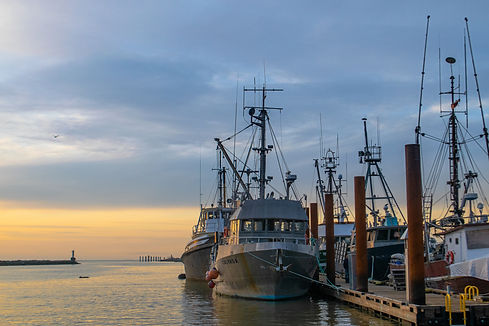
TBuck led the development of green harbour projects, including major infrastructure upgrades in Deep Bay. These improvements reduced congestion, enhanced tidal flushing, removed creosote pilings, and increased moorage space for the shellfish aquaculture and fishing fleet. Similar projects were initiated in Cowichan Bay and Bella Bella, with the goal of improving water quality and reducing pollution in sensitive marine habitats.
2017
Illegal Pesticide Application Spurs Launch of TBuck Campaign
CN Rail illegally applied pesticides along the 150-km CN Skeena rail corridor, posing a serious threat to critical salmon spawning habitat. In response, TBuck launched a campaign calling for regulatory enforcement after the hazardous application. The Foundation raised public awareness and provided expert field assessments and scientific analysis to federal and provincial investigators to support enforcement of existing environmental legislation.
1981


2012
TBuck hosted B.C.'s first Young Fishermen’s Gathering in Victoria
The event brought together over 30 young fishers from diverse fisheries across the province, providing tools and resources for early-career harvesters, promoting sustainable fishing practices, and fostering connection within the next generation of B.C.’s fishing fleet. In the years that followed, the gathering grew significantly and has since supported hundreds of young fishers through workshops, networking, and peer learning opportunities.
2018
Marine Plastics Strategy Collaboration
The Foundation partnered with the University of Victoria Environmental Law Centre to publish two reports on marine plastic pollution. These reports helped inform Motion M151, which called for a national strategy to combat plastic waste and was later passed unanimously in the House of Commons.
1981


2020
The Victoria Sewage Treatment Plant Fnished Construction and Became Operational
This marked the completion of a long-anticipated project to end the discharge of untreated sewage into the ocean — a major environmental concern for many years. The new facility uses tertiary treatment, resulting in significantly improved water quality throughout the region.


2021
CN Rail Fined for Unlawful Pesticide Application
CN Rail was fined $100,000 in May 2021 for unauthorized pesticide spraying and later pled guilty to violating the Fisheries Act in Prince Rupert court on September 25, 2021. As a result, the company was fined an additional $2.5 million. West Coast Environmental Law and the UVic Environmental Law Centre played key roles in supporting this TBuck-led campaign.